The TP-Link Archer BE230 brings Wi-Fi 7 features and two 2.5 Gbps ports to a dual-band router aimed at homes with multi-gig internet or wired devices.
This tp link be3600 review looks at its practical fit, including the limits of a design without 6 GHz Wi-Fi.
Archer BE230 Review Summary
The quick verdict
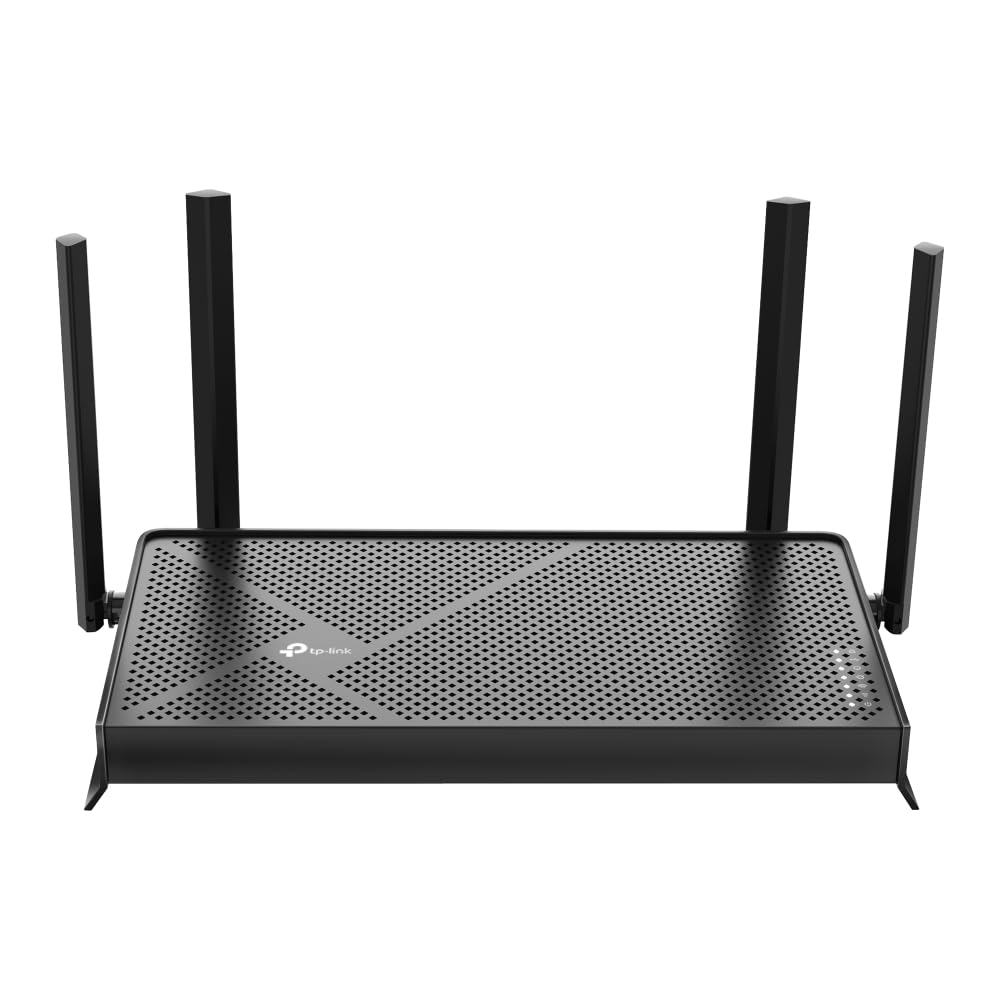
1,000+ ratings
Read Amazon ReviewsTP-Link Archer BE230
A fit for homes seeking Wi-Fi 7, two 2.5 Gbps ports, and app-based network management without a 6 GHz band.
- Dual-band Wi-Fi 7 with advertised rates up to 2,882 Mbps on 5 GHz and 688 Mbps on 2.4 GHz; it does not support 6 GHz.
- Wi-Fi 7 features include Multi-Link Operation, Multi-RUs, and 4K-QAM.
- One 2.5 Gbps WAN/LAN port, one 2.5 Gbps LAN port, and three 1 Gbps LAN ports.
- Four internal antennas and beamforming; the stated coverage is up to 2,000 square feet for up to 60 devices.

Pros
- Wi-Fi 7 features are paired with a practical dual-band configuration for households without a specific need for 6 GHz.
- Two 2.5 Gbps ports allow a faster wired link for a compatible internet connection and a LAN device.
Consider before buying
- There is no 6 GHz band, so this is not the choice for buyers seeking tri-band Wi-Fi 7.
- Only two of the five Ethernet ports are 2.5 Gbps; check your planned wired devices and internet equipment against the port layout.
Read the full review summary
The Archer BE230 combines Wi-Fi 7 features such as Multi-Link Operation, Multi-RUs, and 4K-QAM with advertised wireless rates of up to 2,882 Mbps on 5 GHz and 688 Mbps on 2.4 GHz.
Its two 2.5 Gbps ports give a home network more wired flexibility than a basic gigabit-only setup, while three additional 1 Gbps LAN ports accommodate standard wired devices.
This router is aimed at households that want a newer Wi-Fi generation, multi-gig wired connections, app-based setup, and the option to extend coverage with compatible EasyMesh equipment.
The stated coverage and device capacity are upper limits, not guarantees for every home; walls, distance, and local conditions matter. Buyers who specifically want a 6 GHz band or more multi-gig LAN ports should compare other designs.
The buying factors
Archer BE230 Scorecard
Editorial scores reflect listed features and buyer fit; they are not laboratory measurements or customer ratings.
Wi-Fi 7 feature set
Includes Multi-Link Operation, Multi-RUs, and 4K-QAM, with dual-band operation rather than a 6 GHz band.
Wired port flexibility
Two 2.5 Gbps ports, including one WAN/LAN port, plus three gigabit LAN ports support a mix of faster and standard wired connections.
Coverage planning
The product is specified for up to 2,000 square feet and 60 devices, with four internal antennas and beamforming; actual results depend on the home.
Mesh expansion
EasyMesh compatibility provides a route to extend a network with compatible routers and range extenders.
Setup and management
The Tether app is offered for setup and management, including firmware updates.
Smart-home controls
HomeShield features and Alexa or Google Assistant compatibility add useful management options, though the description does not detail every service tier.
Key Features and Specifications of Archer BE230
- Dual-band Wi-Fi 7 with advertised rates up to 2,882 Mbps on 5 GHz and 688 Mbps on 2.4 GHz; it does not support 6 GHz.
- Wi-Fi 7 features include Multi-Link Operation, Multi-RUs, and 4K-QAM.
- One 2.5 Gbps WAN/LAN port, one 2.5 Gbps LAN port, and three 1 Gbps LAN ports.
- Four internal antennas and beamforming; the stated coverage is up to 2,000 square feet for up to 60 devices.
- EasyMesh compatibility for expansion with compatible routers and range extenders.
- Tether app setup and management, HomeShield network and IoT protection features, and Alexa and Google Assistant compatibility.
Pros and Cons of Archer BE230
Pros
- Wi-Fi 7 features are paired with a practical dual-band configuration for households without a specific need for 6 GHz.
- Two 2.5 Gbps ports allow a faster wired link for a compatible internet connection and a LAN device.
- Three additional gigabit LAN ports provide wired connections for everyday network equipment.
- EasyMesh compatibility offers an expansion path when one router's placement or coverage is not enough.
Consider before buying
- There is no 6 GHz band, so this is not the choice for buyers seeking tri-band Wi-Fi 7.
- Only two of the five Ethernet ports are 2.5 Gbps; check your planned wired devices and internet equipment against the port layout.
- The up-to coverage and device figures cannot predict performance in a particular home's layout or through its walls.
Who Should Buy Archer BE230?
Good fit
Consider the Archer BE230 if your priority is a dual-band Wi-Fi 7 router with two multi-gig ports and several conventional Ethernet connections.
The port mix can serve a multi-gig internet connection and one faster wired client while leaving gigabit ports for a television, desktop, or other network equipment.
It may also suit a home that wants app-based setup and a possible coverage extension through EasyMesh.
Before buying, compare the stated coverage area with your floor plan and router placement, and confirm that dual-band operation matches the devices and wireless capacity you need.
Who should skip it
Look elsewhere if 6 GHz is a requirement, such as when you specifically want a tri-band router with a dedicated 6 GHz band. Also compare port layouts if several of your wired devices need multi-gig connections.
What the Archer BE230 means for a home network
Wi-Fi 7 without 6 GHz
The BE230 brings Wi-Fi 7 features to the 2.4 GHz and 5 GHz bands.
That makes it a potential fit for homes interested in the newer wireless feature set but not shopping specifically for 6 GHz; buyers should check the bands supported by their devices before choosing.
A useful but defined multi-gig layout
The two 2.5 Gbps ports create options for a multi-gig WAN connection and a faster wired LAN link, while three gigabit LAN ports serve standard wired clients.
Because one 2.5 Gbps port is labeled WAN/LAN, check the intended connection setup and device speeds before planning around both high-speed ports.
Coverage claims need a floor-plan check
Four internal antennas and beamforming are intended to direct Wi-Fi toward connected devices, and EasyMesh support gives buyers an expansion option.
The up-to 2,000-square-foot and 60-device figures are planning references; room layout, obstacles, and distance can affect the result.
App management and network features
TP-Link offers Tether app setup and management, including firmware updates, alongside HomeShield network and IoT protection features.
Alexa and Google Assistant compatibility may be useful for voice-based controls, while buyers who need a specific security feature should confirm that it is included in the service offering they plan to use.
Alternatives to Archer BE230
Computer Routers alternative
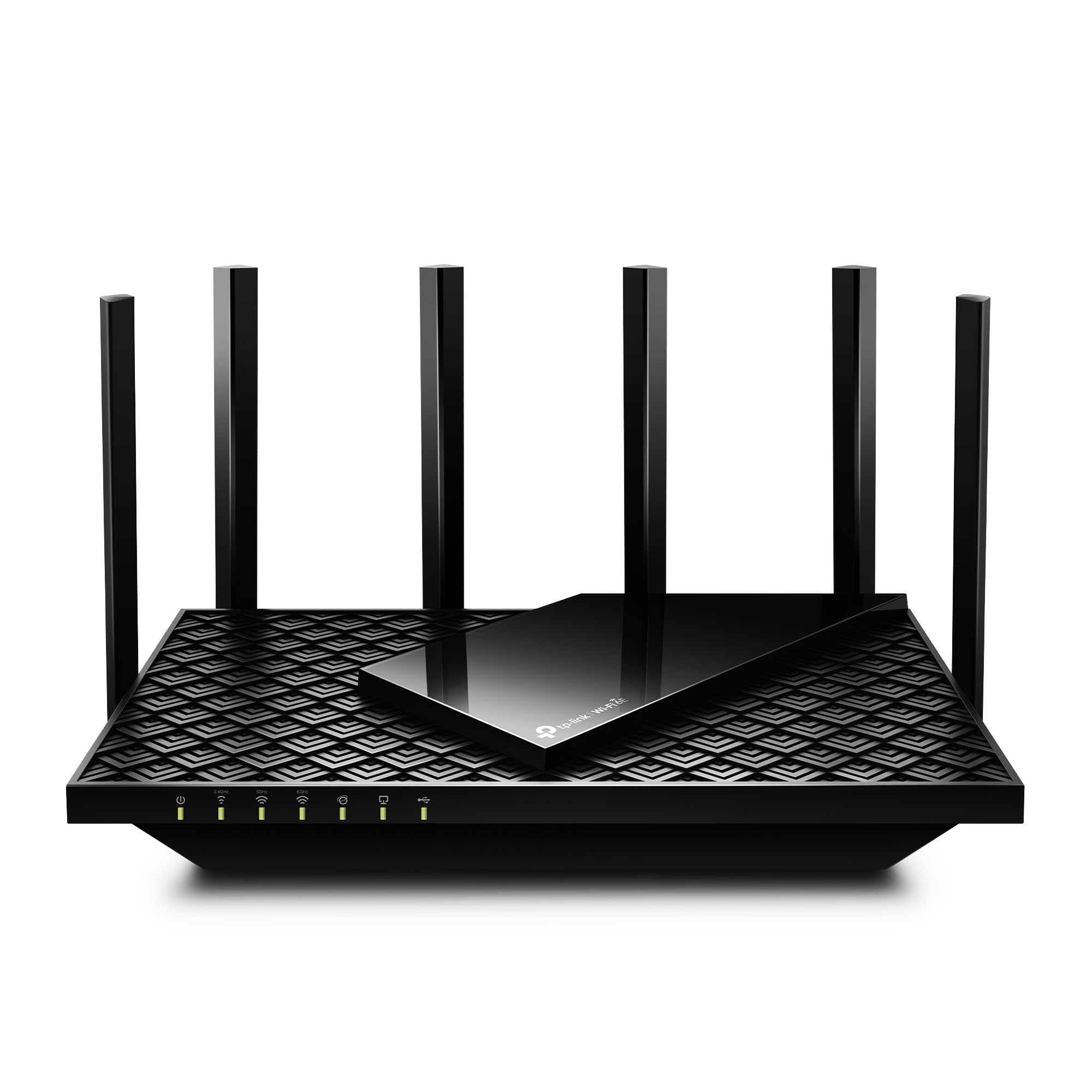
5,000+ ratings
Read Amazon ReviewsTP-Link Archer AXE75
Choose between them based on the band and generation you value: the BE230 offers Wi-Fi 7 features and a second 2.5 Gbps port, while the AXE75 provides tri-band Wi-Fi 6E with 6 GHz.
The AXE75 may fit better if access to that band matters more than having two 2.5 Gbps ports.
- The Archer AXE75 is a tri-band Wi-Fi 6E router with a 6 GHz band and a 2.5 Gbps WAN port; its description also lists OneMesh support.
- The Archer BE230 is a dual-band Wi-Fi 7 router with two 2.5 Gbps ports and no 6 GHz band.
Computer Routers alternative
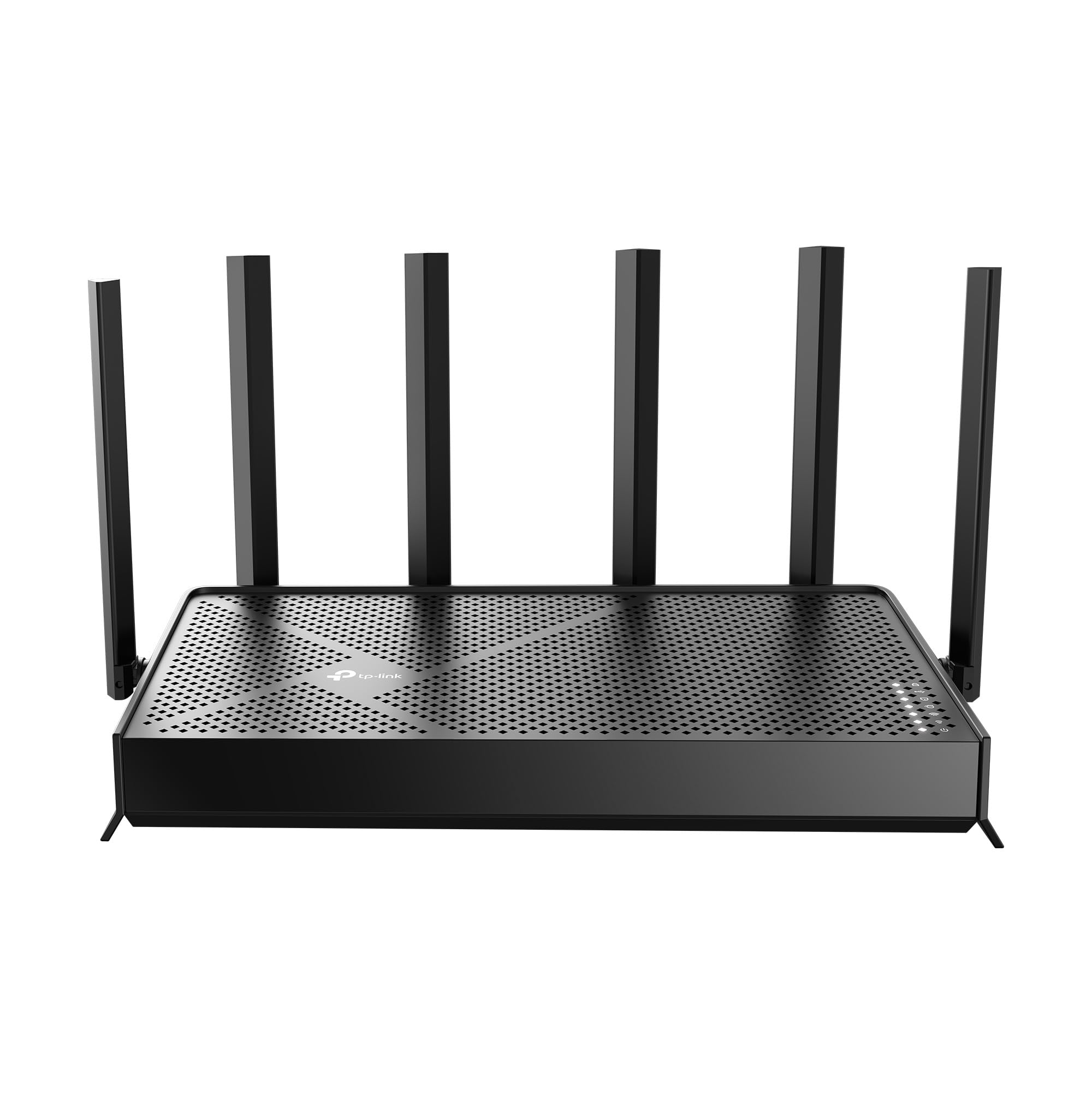
600+ ratings
Read Amazon ReviewsTP-Link Archer BE600
The BE600 is the more relevant fit if your home needs tri-band Wi-Fi 7, 6 GHz, or several multi-gig wired connections.
The BE230 is the simpler match if dual-band Wi-Fi and its two 2.5 Gbps ports cover your needs.
- The Archer BE600 is a tri-band Wi-Fi 7 router with a 6 GHz band, a 10 Gbps WAN/LAN port, a 2.5 Gbps WAN/LAN port, and three 2.5 Gbps LAN ports.
- Its stated coverage is up to 2,600 square feet for up to 120 devices.
- The Archer BE230 is dual-band, supports up to 60 devices, and has two 2.5 Gbps ports alongside three gigabit LAN ports.
Is Archer BE230 Worth It?
The TP-Link Archer BE230 is worth considering for a household that wants Wi-Fi 7 features, two 2.5 Gbps Ethernet ports, app-based management, and EasyMesh expansion in a dual-band router.
Its mix of multi-gig and gigabit ports gives it flexibility for a combination of faster and standard wired devices.
Buy it if 6 GHz is not part of your requirements and its port layout fits your equipment. For tri-band Wi-Fi 7 or more multi-gig LAN connections, compare a model designed around those needs.
Your review at a glance
1,000+ ratings
Read Amazon ReviewsTP-Link Archer BE230
A fit for homes seeking Wi-Fi 7, two 2.5 Gbps ports, and app-based network management without a 6 GHz band.
- Dual-band Wi-Fi 7 with advertised rates up to 2,882 Mbps on 5 GHz and 688 Mbps on 2.4 GHz; it does not support 6 GHz.
- Wi-Fi 7 features include Multi-Link Operation, Multi-RUs, and 4K-QAM.
- One 2.5 Gbps WAN/LAN port, one 2.5 Gbps LAN port, and three 1 Gbps LAN ports.
- Four internal antennas and beamforming; the stated coverage is up to 2,000 square feet for up to 60 devices.